Monetary Evolution In Plain Sight - Iran Tolls
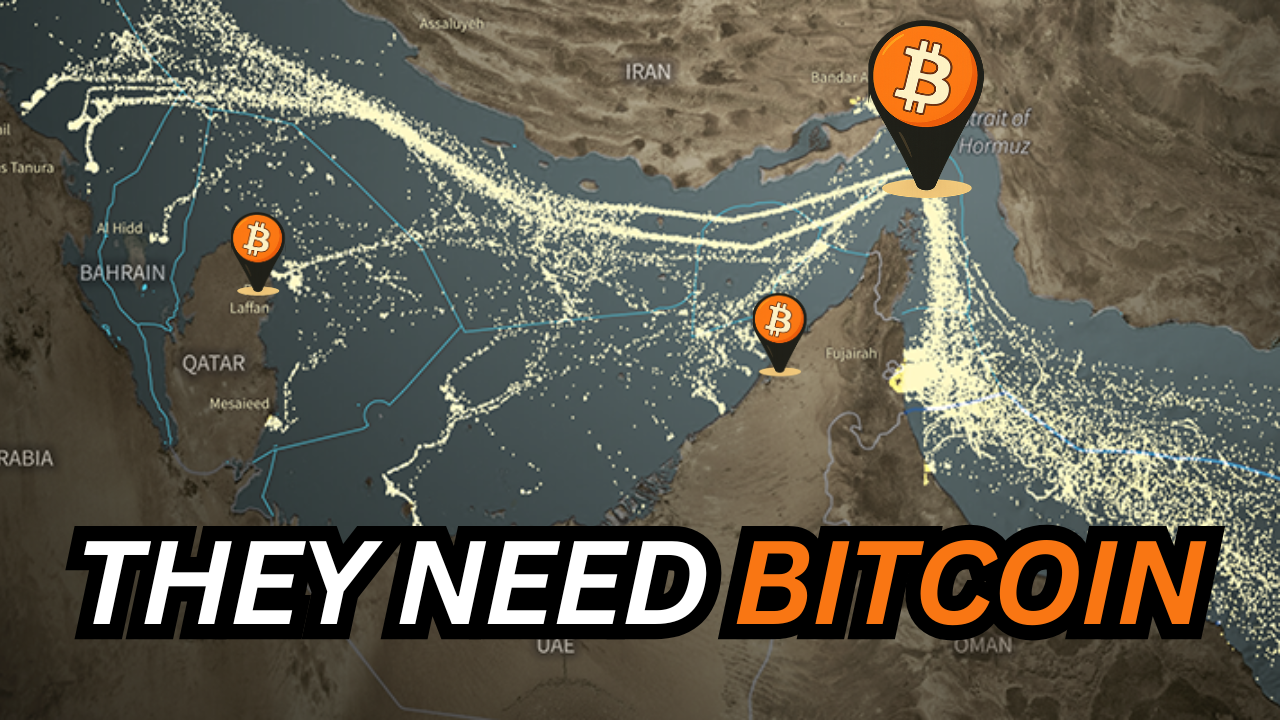
Iran reportedly ready to accept Bitcoin for Hormuz transits. The monetary system needs Bitcoin.
Bitcoin & Markets | Apr 9, 2026
Exploring the intersection of bitcoin, macroeconomics, markets, biology, and politics within the evolving global order.
Monetary Evolution in Real Time
Recent reports indicate that Iran has implemented or is enforcing a toll system for vessels, particularly oil tankers, transiting the Strait of Hormuz. Payments are accepted in Chinese yuan, Bitcoin, and dollar-pegged stablecoins like USDT. This move aims to bypass U.S. sanctions and the dollar-dominated SWIFT system by using settlement methods that are harder to freeze or block.
It’s still unclear who, in the current decentralized and mosaic nature of the Iranian regime, is communicating with and accepting international payments. There is no single transparent authority. This could involve semi-autonomous actors or power centers making localized decisions around Hormuz traffic. It is entirely possible the regime is not fully in control of this process, but that is beyond the scope of this update.
Whatever the case, this is a direct example of Evolutionary Monetary Theory in action. In a period of deglobalization and declining international trust, transactions shift away from credit-based fiat systems toward settlement assets that operate without counterparty risk. Assets like bitcoin, or historically gold, emerge in these environments because they carry their own settlement assurances. Notice gold was not mentioned. That's a very telling nuance.
Bitcoin or Yuan
Iran has not announced any policy rejecting the yuan in favor of Bitcoin. Reports consistently describe a parallel system where yuan and crypto are both accepted. In practice, some payments appear to flow through China’s CIPS system in yuan, while others use crypto rails including Bitcoin and stablecoins.
This dual-track approach fits Iran’s broader strategy of diversifying away from the dollar. It also reflects a transitional phase where multiple settlement methods coexist and compete. That phase can't last very long. Monetary systems converge toward the asset that best satisfies settlement under specific conditions.
If this dynamic continues, China will face a dilemma. If they truly want to internationalize the yuan as counterweight to the US dollar, they need to loosen capital controls, something the CCP has shown no willingness to do.
I expect a gradual but deliberate softening of China’s stance on bitcoin. Not an open embrace, but selective tolerance where it serves state interests. Bitcoin can absorb demand for neutral, cross-border settlement without forcing the yuan to become fully convertible.
This gives China a path forward. It can expand yuan usage at the margin while relying on bitcoin as a settlement layer where trust is low and counterparties are politically sensitive.

This is not necessarily a negative for the United States either. All parties will actually benefit from the incorporation of bitcoin into the monetary system. Incentives are aligned in the transition. The US already holds a significant bitcoin position and has clear pathways to expand strategic reserves if needed. In a world moving toward neutral settlement assets, early exposure matters.
Slowly but surely, we're seeing bitcoin move into the role of neutral reserve asset, in the very process I’ve been describing for years.
HODL strong. Thanks for reading! PLEASE SHARE!
A
- Podcast links and Socials
- Disclaimer
- Feedback form
- Original charts and analysis are CC-BY